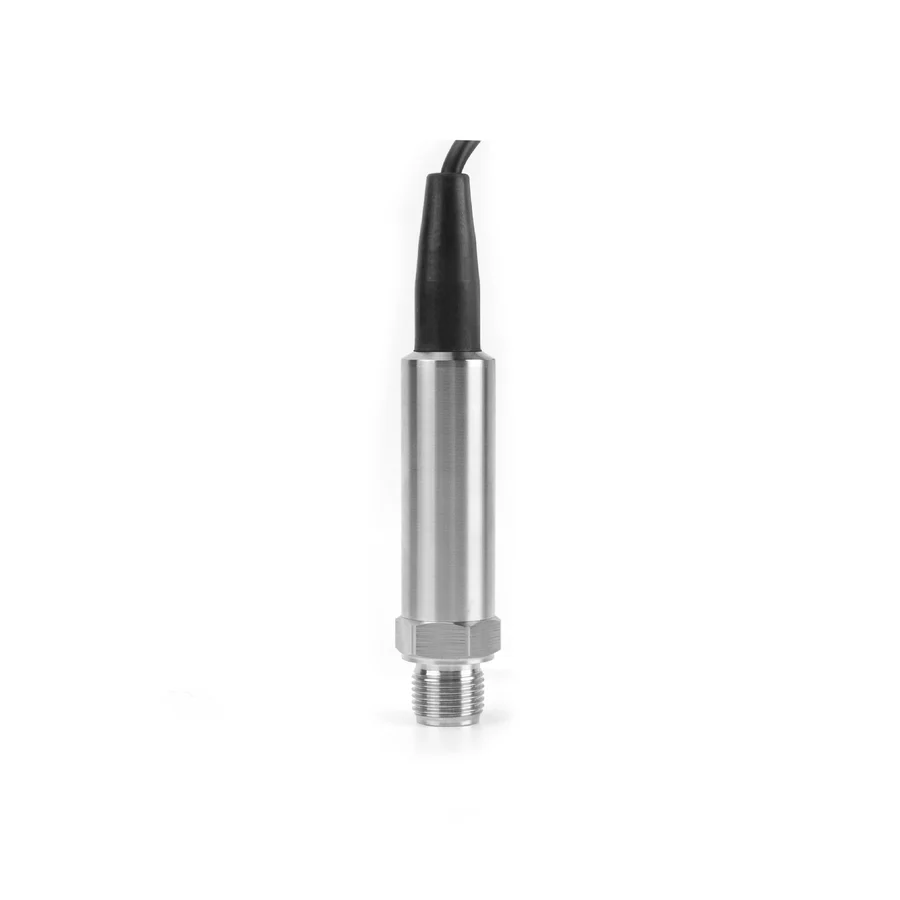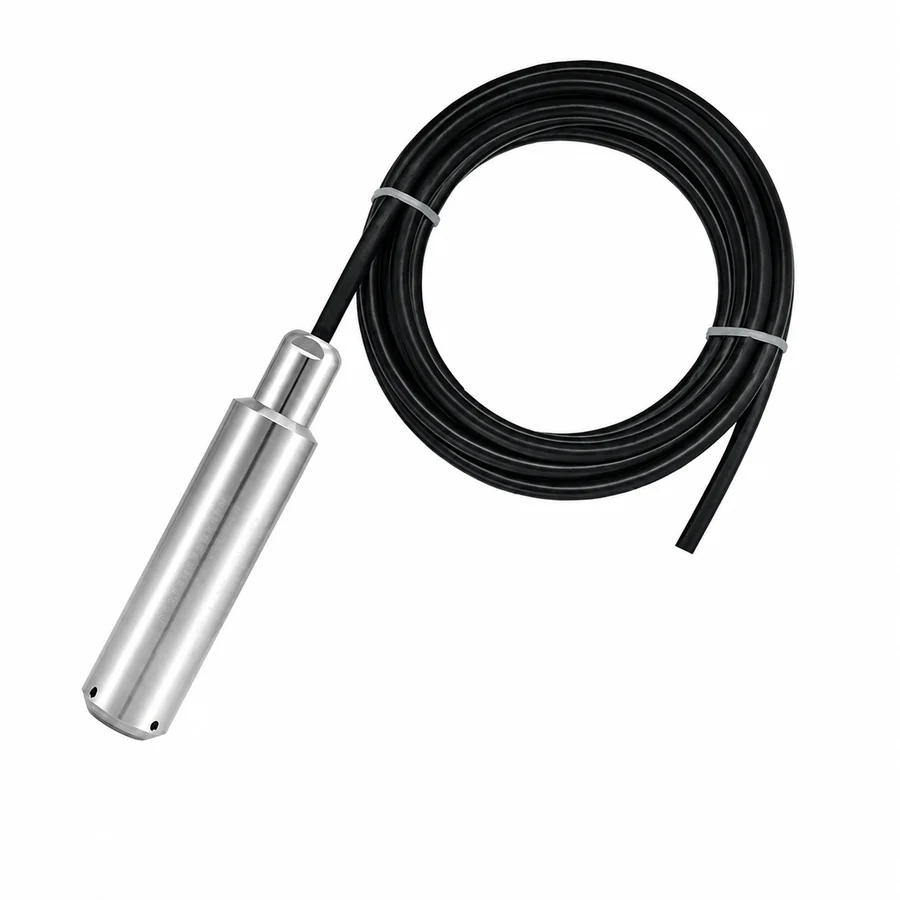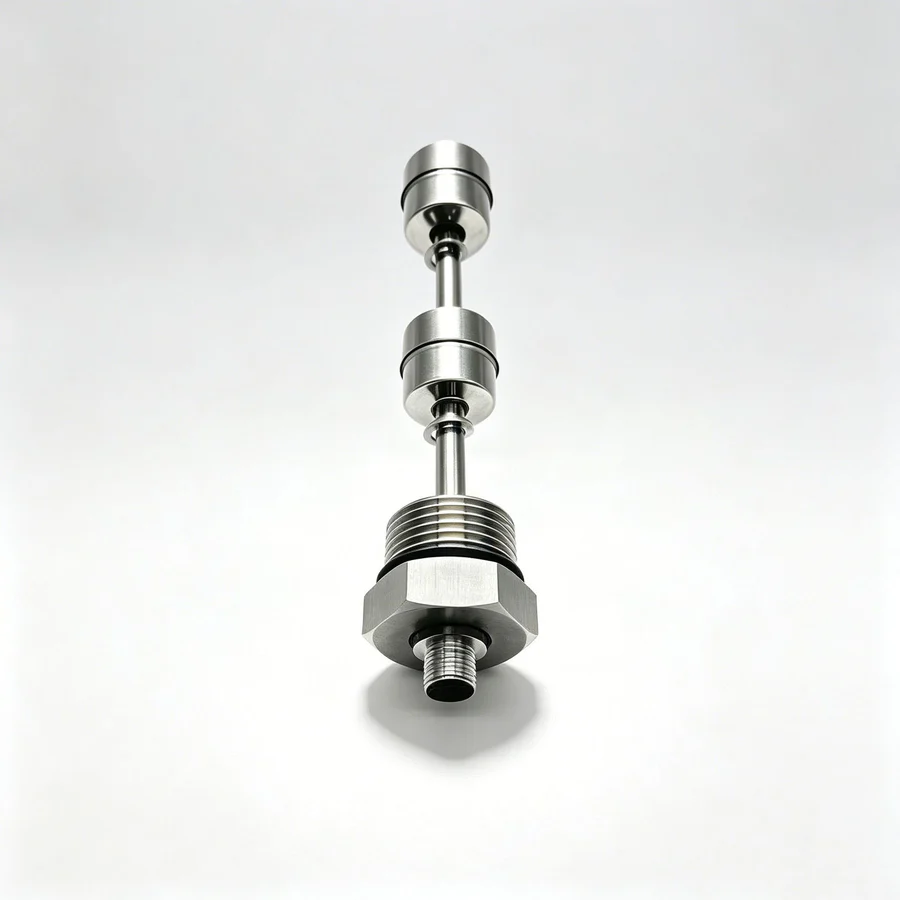
Published configuration highlights
- Model and functionWKS-3 / Capacitive Liquid Level Transmitter
- Key point 1Capacitive level
- Key point 24-20 mA
- Key point 3RS-485
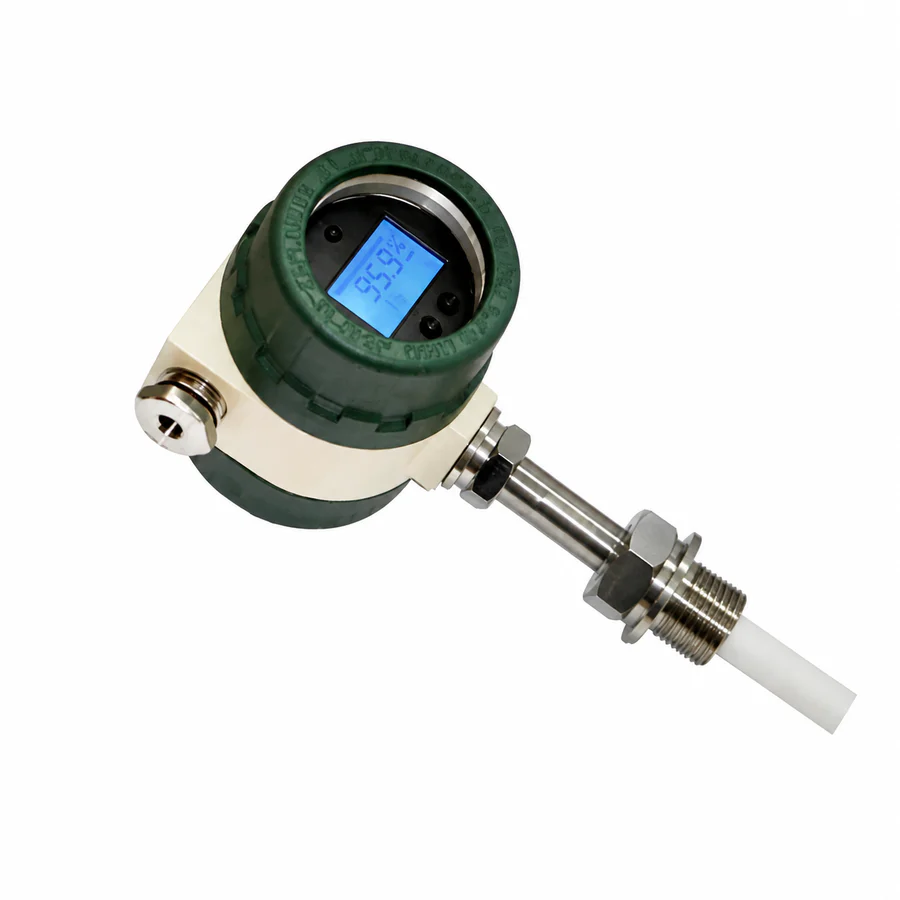
An integrated capacitive level transmitter for continuous water-level measurement in tanks, wastewater systems, rivers, and reservoirs. Available with 4-20 mA, 0-10 V, or RS-485 output for PLC and telemetry integration.
Confirm the measuring range, medium, wetted materials, process connection, output, and power supply before ordering.
Use the published values below as a starting point, then confirm the complete measuring point before ordering. Final range, materials, connection, output, supply, and environmental limits depend on the selected configuration.
Use the selected level range and probe or cable arrangement for continuous tank, well, reservoir, or vessel monitoring. Confirm the installation reference, medium density, wetted materials, process connection, and output scaling.
Record the physical zero and full-scale elevations, verify density and output scaling, check vent or reference conditions, and test alarms at independently confirmed levels.
Choose hydrostatic, capacitive, or float-switch measurement according to whether continuous indication, switching, or alarm duty is required.
Define level datum, liquid density, tank pressure, coating or solids risk, wetted materials, and atmospheric venting requirements.
Confirm probe or cable length, mounting position, mechanical support, ingress protection, lightning exposure, and access for cleaning.
Suitability is configuration-dependent. Review media compatibility, operating limits, installation conditions, required approvals, and the receiving control system before final selection.