Published configuration highlights
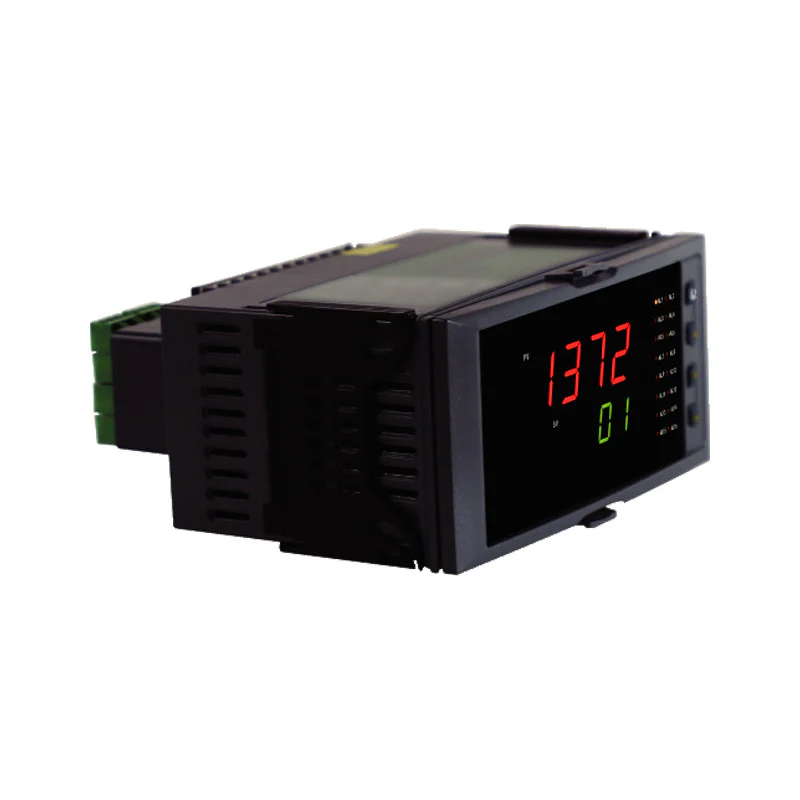
- Model and functionWKS-5 / Single-Channel Digital Temperature Indicator
- Key point 1Universal input
- Key point 2Relay alarms
- Key point 3Modbus RTU
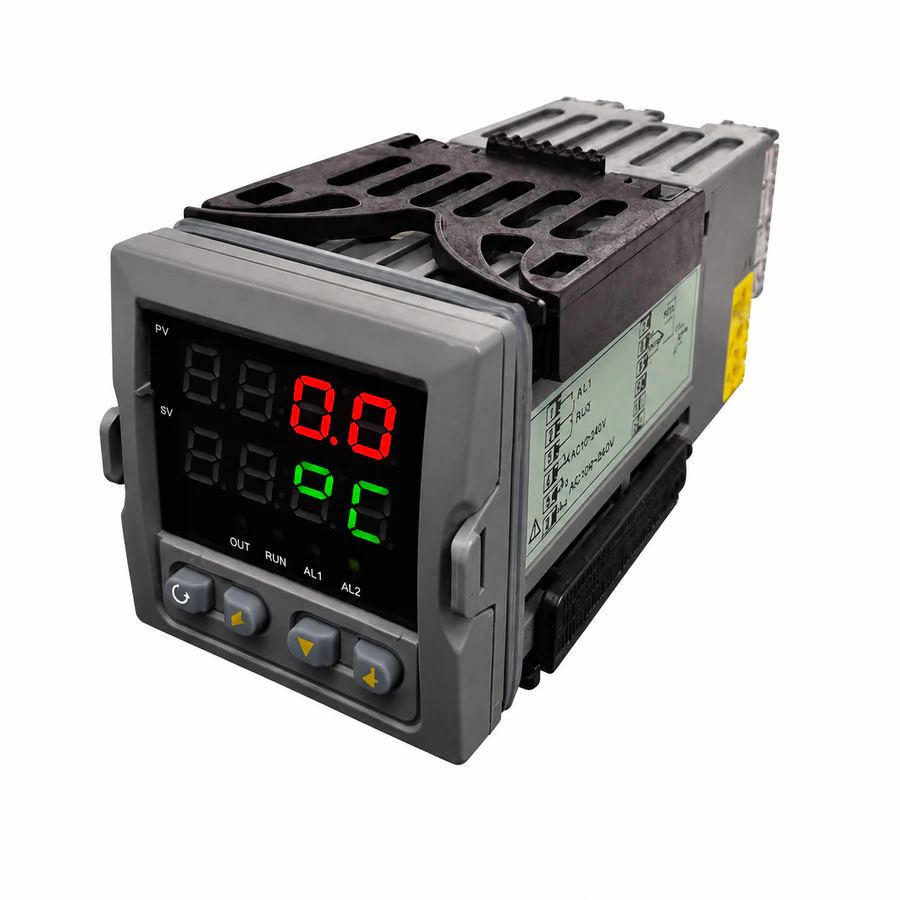
A universal-input panel indicator for current, voltage, RTD, and thermocouple signals, with a -1999 to 9999 display range and ±0.3% FS accuracy. Optional retransmission, high/low relay alarms, RS-485 Modbus RTU, and 24 VDC sensor supply simplify control-panel integration.
Confirm the measuring range, medium, wetted materials, process connection, output, and power supply before ordering.
Use the published values below as a starting point, then confirm the complete measuring point before ordering. Final range, materials, connection, output, supply, and environmental limits depend on the selected configuration.
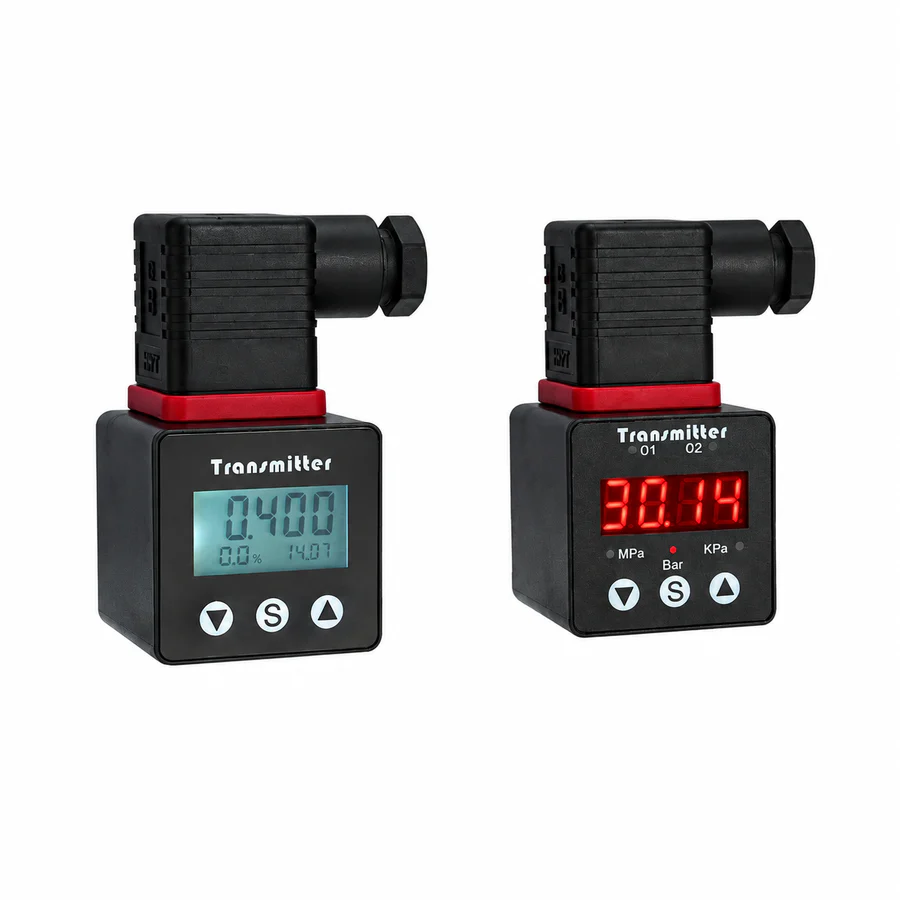
Match the input signal, display range, engineering unit, alarm logic, communication settings, and panel or connector interface to the associated field instrument and control system.
Verify input type, displayed units, scaling, alarm setpoints, retransmission, communication address, and the complete loop at representative test values.
Confirm input signal, supply, load, terminal or connector standard, isolation, and compatibility with the field transmitter and controller.
Define engineering units, display range, resolution, local setup access, alarm outputs, and operator visibility.
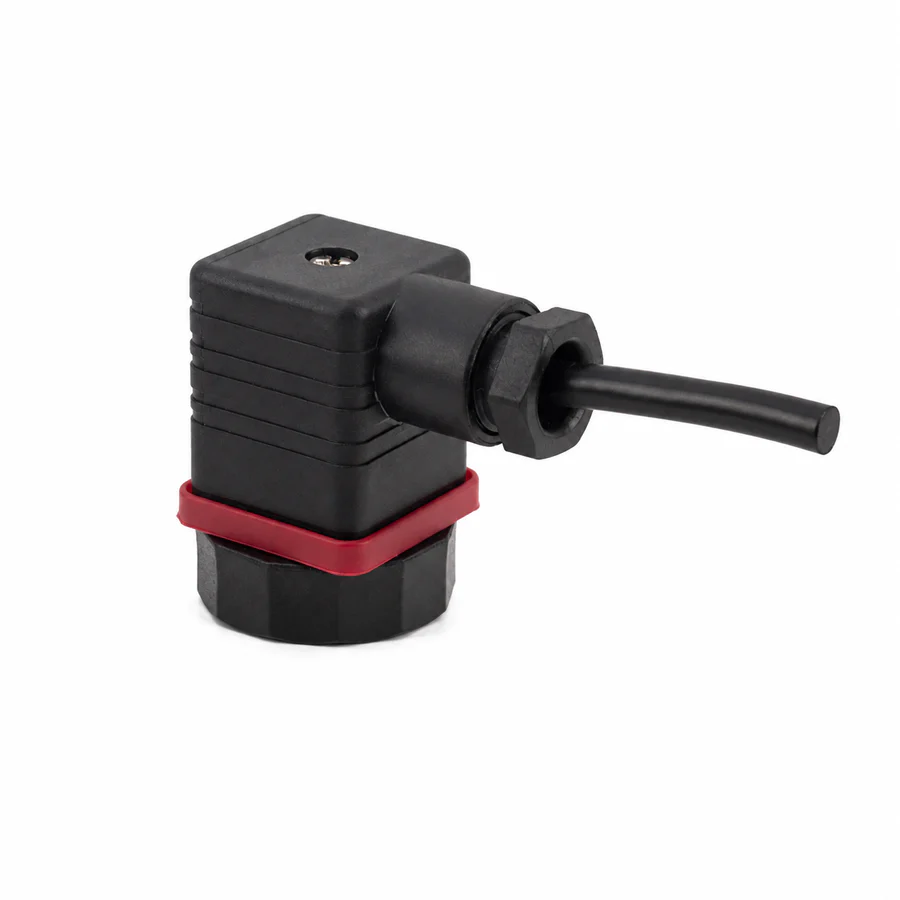
Review dimensions, mounting, cable entry, ingress protection, ambient range, grounding, and communication wiring.
Suitability is configuration-dependent. Review media compatibility, operating limits, installation conditions, required approvals, and the receiving control system before final selection.