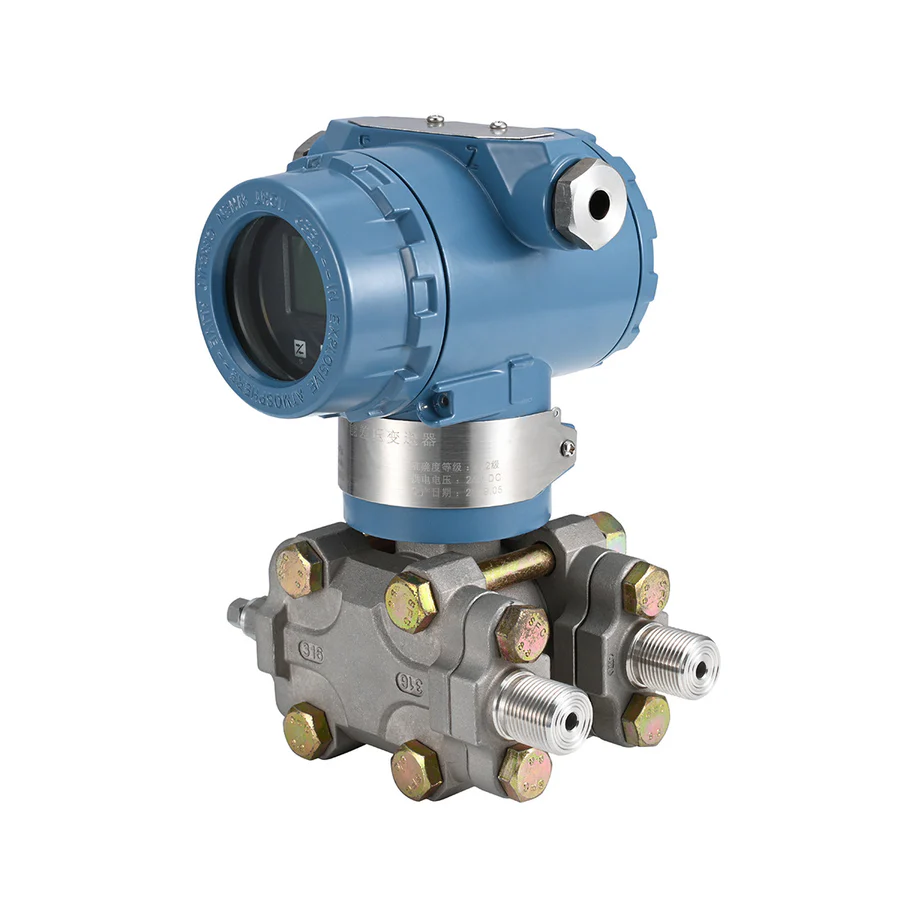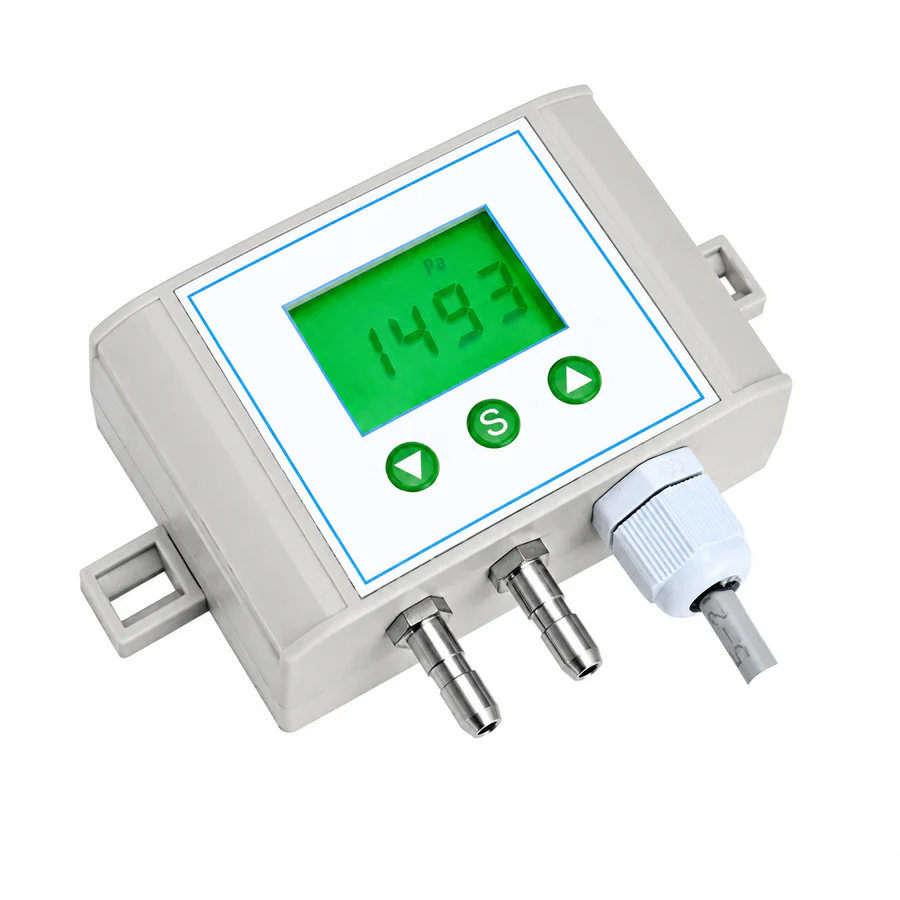
Published configuration highlights
- Model and functionWKS-9 / Single-Flange Explosion-Proof Differential Pressure Transmitter
- Key point 14-20 mA + HART
- Key point 2Tantalum diaphragm
- Key point 3Single flange
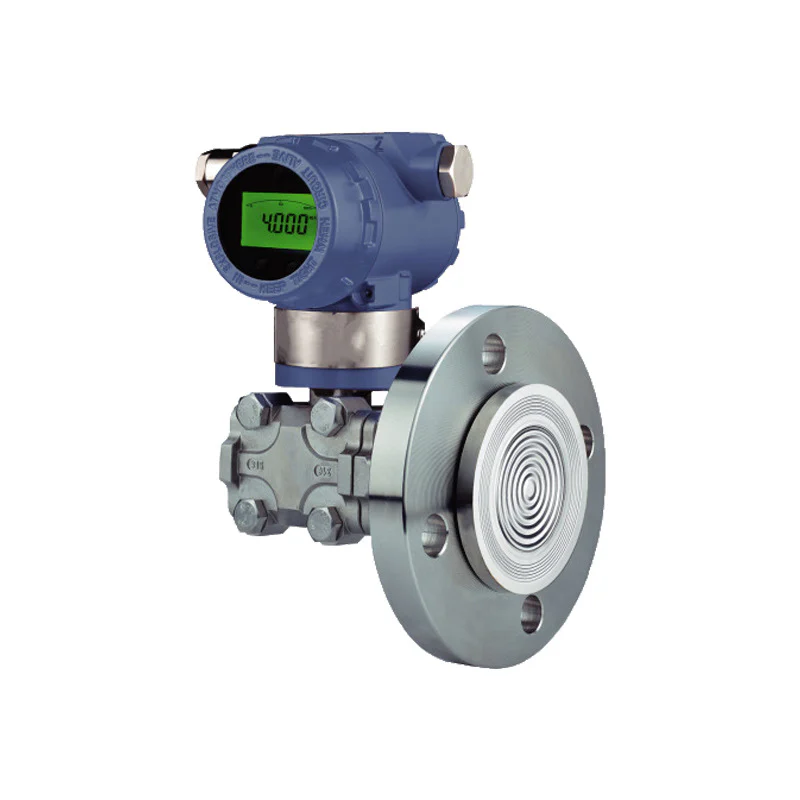
A single-flange differential-pressure transmitter for sealed-vessel level and process-pressure service. It combines local LCD configuration, 4-20 mA with HART, 304/316 flange options, and a tantalum diaphragm option for strongly corrosive media.
Confirm the measuring range, medium, wetted materials, process connection, output, and power supply before ordering.
Use the published values below as a starting point, then confirm the complete measuring point before ordering. Final range, materials, connection, output, supply, and environmental limits depend on the selected configuration.
Integrate the high- and low-pressure ports with the process or airflow system, then connect the configured analog or digital output to the control system. Confirm static pressure, differential range, manifold arrangement, and diaphragm material.
Equalize or establish a verified zero condition, confirm high/low port direction, apply known differential-pressure points, and test alarm or control behavior at operating thresholds.
Choose a useful DP span while confirming that both ports and the sensing element tolerate maximum line and static pressure.
Define high- and low-side connections, tubing length, manifold arrangement, drain or vent points, and protection from condensate or blockage.
Confirm bidirectional requirements, zero adjustment, response filtering, output scaling, HART or RS-485 integration, and alarm behavior.
Suitability is configuration-dependent. Review media compatibility, operating limits, installation conditions, required approvals, and the receiving control system before final selection.