Published configuration highlights
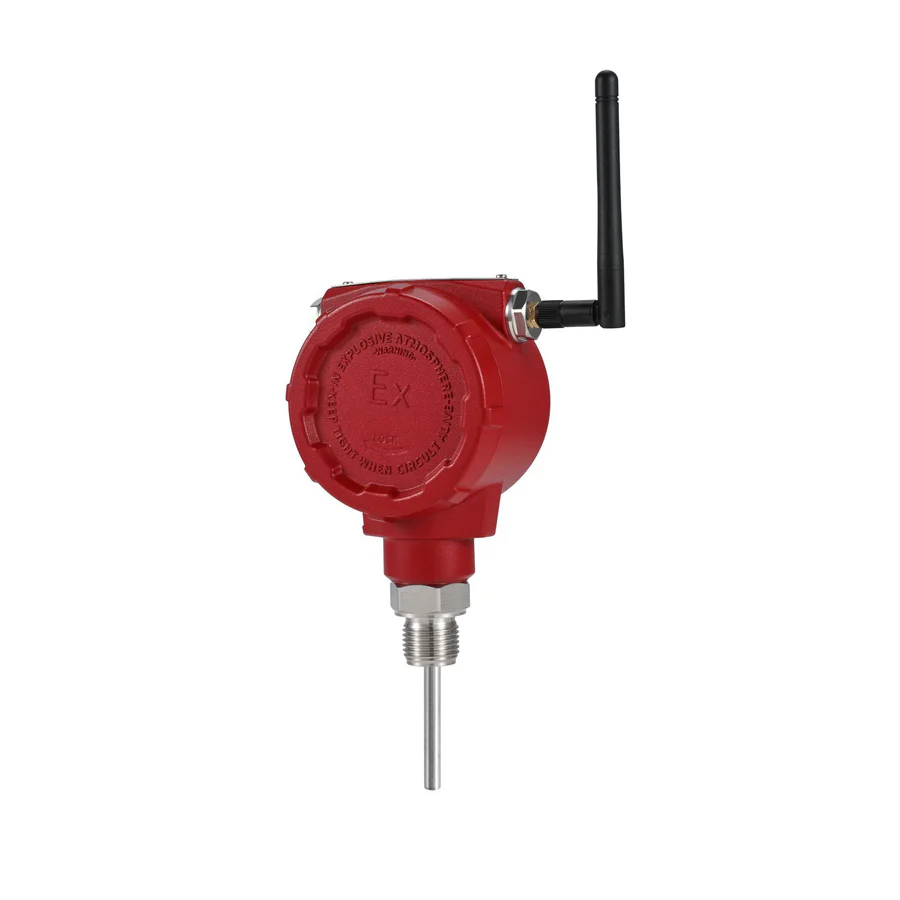
- Model and functionWKS-28 / Wireless Fire Hydrant Pressure Transmitter
- Key point 1Fire protection
- Key point 2Remote pressure
- Key point 3Explosion-proof housing
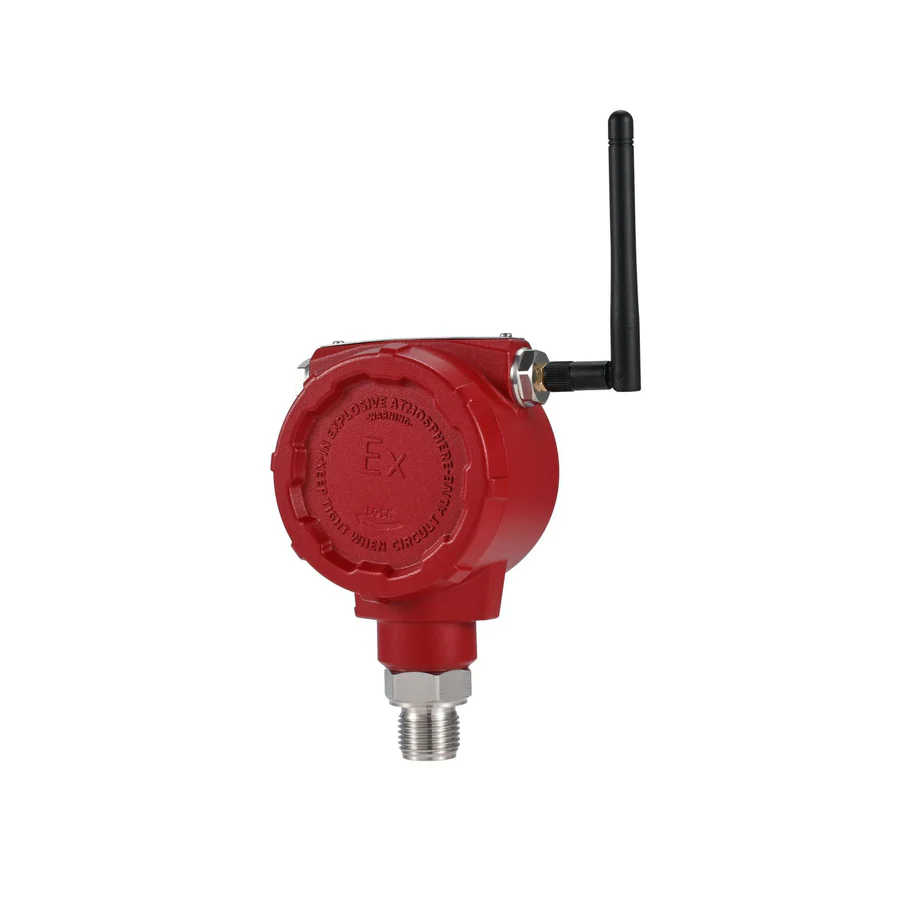
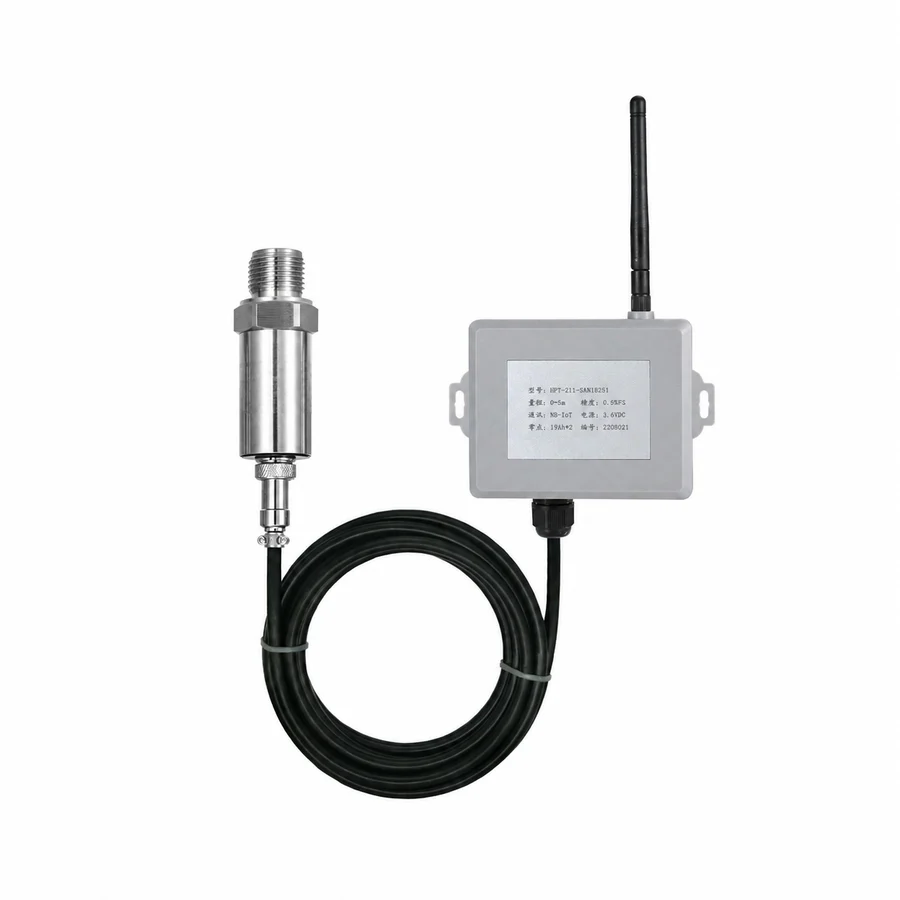
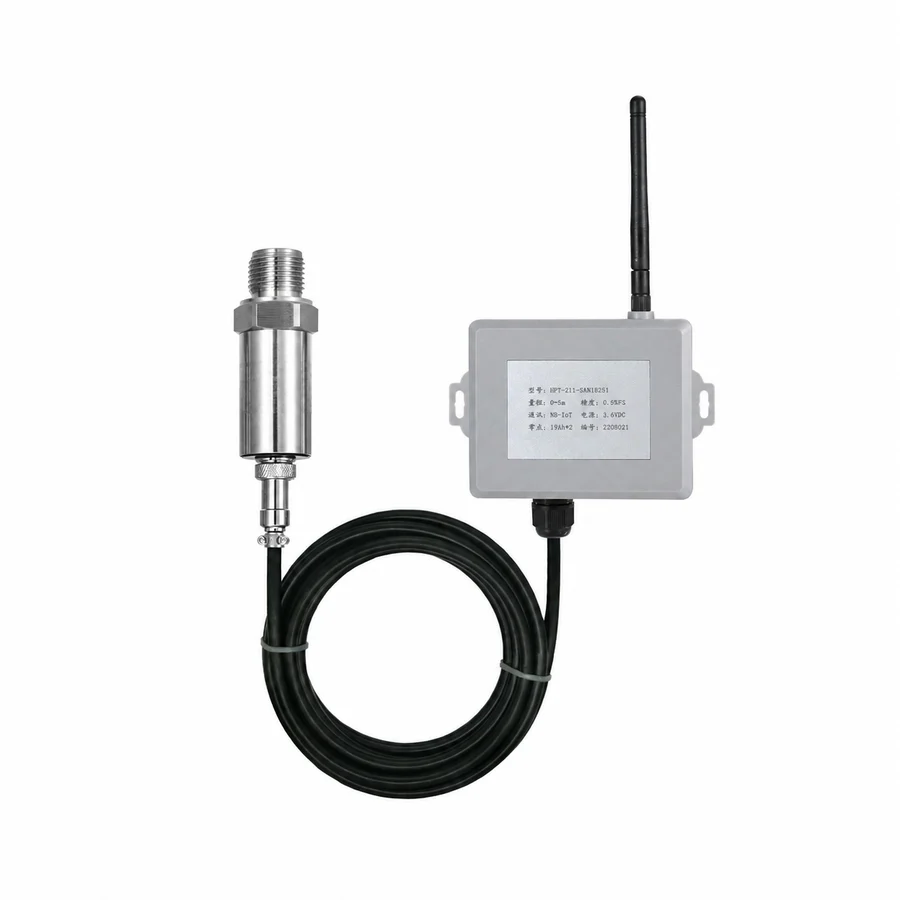
A wireless pressure transmitter for hydrants, sprinkler mains, and industrial pipelines, designed for continuous pressure visibility across distributed fire-protection assets. The explosion-proof field housing combines a threaded pressure connection with an external antenna for remote monitoring installations.
Confirm the measuring range, medium, wetted materials, process connection, output, and power supply before ordering.
Use the published values below as a starting point, then confirm the complete measuring point before ordering. Final range, materials, connection, output, supply, and environmental limits depend on the selected configuration.
Commission the sensing range, sampling interval, reporting interval, alarm thresholds, and network type before field installation. Verify local signal coverage, antenna position, battery arrangement, and the receiving telemetry platform.
Record signal quality, reporting and alarm latency, time synchronization, retry behavior, local measurement checks, battery condition, and the receiving platform configuration.
Define how often the process must be measured, reported, and alarmed rather than using one interval for every function.
Verify the selected 4G, NB-IoT, LoRa, or LoRaWAN service at the installed antenna location and under enclosure and weather constraints.
Build the battery estimate from actual sampling, transmission, retry, temperature, and alarm assumptions, then define replacement access and spares.
Suitability is configuration-dependent. Review media compatibility, operating limits, installation conditions, required approvals, and the receiving control system before final selection.